
We fix what's broken, fast, and we don't disappear after the invoice. Priority scheduling available across Powell and the surrounding zip codes.
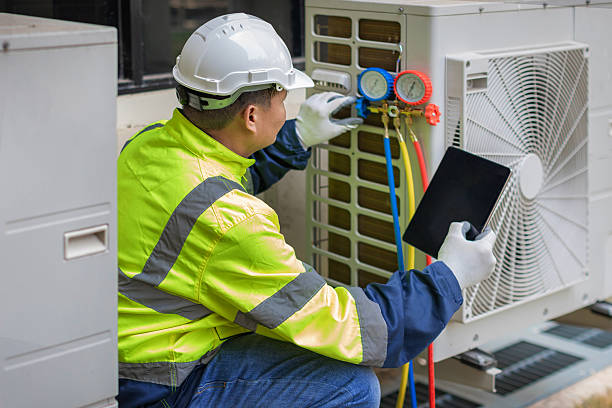
Call +1-866-805-8548 and describe what your system is doing — the symptoms help us send a tech prepared with the right parts.
You'll get a flat-rate quote before any repair work begins — no guessing what the final bill will look like.
Most repairs are completed same-visit, and we test the system before we leave to confirm it's actually holding.
Leonard HVAC didn't start as a franchise chasing volume. Every technician we send to your door is background-checked, factory-trained, and licensed to work on the systems installed throughout Powell, TN.
You won't find us buried under layers of call-center scripts — we're the crew that answers the phone at 2am when your furnace quits in the middle of a cold snap. Licensing and insurance aren't optional line items for us, and we keep that documentation available on request for every job, routine or emergency.
Being local matters more than most companies let on. That local knowledge shapes how we diagnose problems — it's the difference between a tech who's guessing and a tech who's seen your exact situation a hundred times before.
Ask around Powell and you'll hear the same complaint about a lot of HVAC companies. That's the gap we built Leonard HVAC to close. Every dispatcher, every technician, and every follow-up call is held to the same standard, because a customer who trusts us once tends to call us again — and Powell is a small enough community that reputation travels fast.
Our office team is based locally too, not routed through an out-of-state call center that's never seen a Powell rooftop unit. It also means faster escalation when something's urgent — a local dispatcher can reroute the nearest truck in minutes, not hours.
Whether it's a mid-summer breakdown or a planned system replacement, our Powell techs handle it with the same level of care.
Breakdowns rarely happen at a convenient time, which is exactly why our emergency line runs 24 hours a day. Our Powell dispatch team moves emergency tickets to the front of the schedule so a technician is diagnosing your system as fast as physically possible.
We keep the truck stocked with the parts that fail most often on the equipment common to Powell homes, which is exactly why most repairs don't require a return visit.
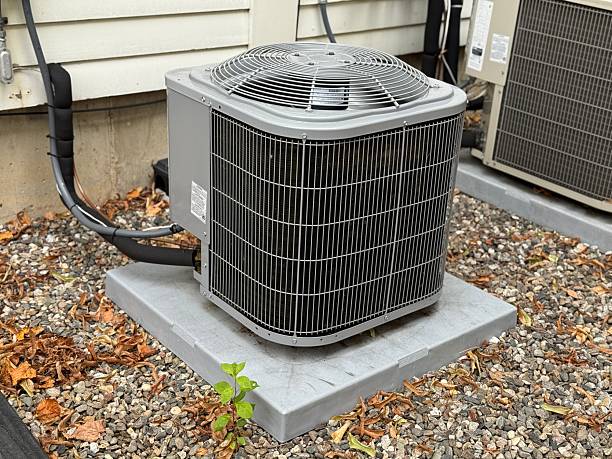
If your unit is past its expected service life, running loud, or spiking your utility bill, a replacement conversation is worth having. We walk Powell homeowners through financing and rebate options where available before a single piece of equipment gets ordered.
We protect floors and entryways during the install and haul away the old equipment so you're not left dealing with disposal.
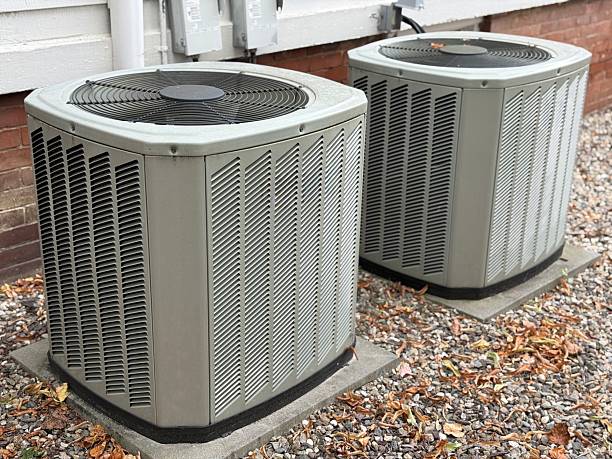
Downtime in a commercial space costs money every hour a system is offline. Our commercial division services light industrial and warehouse ventilation across Powell, with service agreements built around your operating hours.
Property managers working with multiple Powell locations can set up a standing account so every site gets consistent service history and pricing.
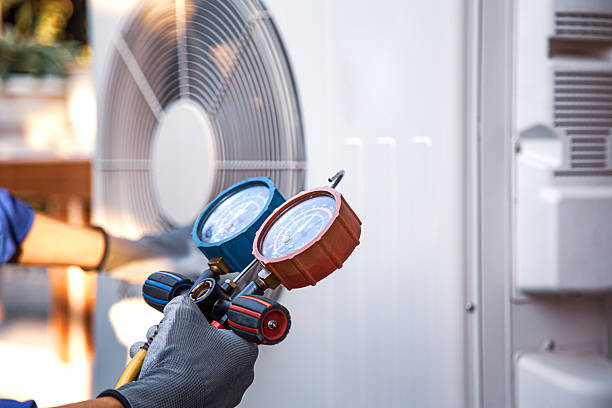
Preventive maintenance is the cheapest repair you'll ever pay for, because it's the one that prevents the bigger bill. Beyond standard tune-ups, we also handle indoor air quality upgrades for homes with allergy or asthma concerns for Powell households that want more than just temperature control.
Maintenance plan members in Powell get scheduling reminders automatically, so tune-ups don't fall through the cracks during a busy season.
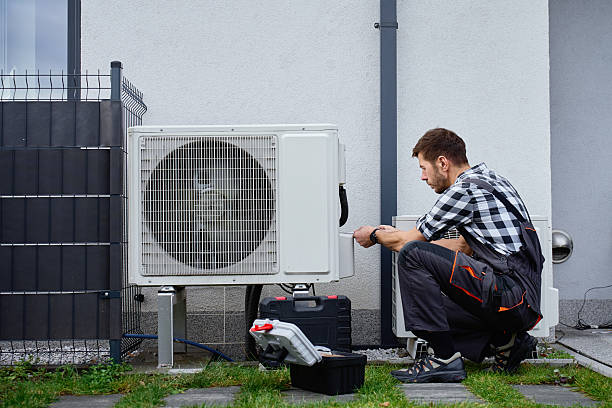
We'd rather set clear expectations upfront than make vague promises we can't back up.
Every repair comes with a workmanship warranty explained in plain terms before we leave.
We quote a flat rate before work begins and that number doesn't change once you approve it.
If anything feels off after we leave, one call gets a tech back to your Powell address.
A little attention to how your system is running can save you a lot of money and discomfort.
Rattling during startup often means a component has worked itself loose and needs tightening before it causes real damage.
This is one of the most common complaints we hear on service calls across Powell.
A system working harder than it should to hit the same temperature shows up directly on your utility bill.
Short cycling puts extra wear on the compressor and shortens the system's overall lifespan.
A musty smell often points to mold or moisture buildup somewhere in the ductwork.
If you're calling about the same problem every few months, the underlying cause likely hasn't been fully addressed.
You'll know the cost before a wrench touches your system.
Emergency calls get moved to the front of the line automatically.
If something isn't right after we leave, we come back and make it right.
Every technician carries current state licensing and manufacturer training.
You make the final call — we just make sure you have the full picture.
We'll walk you through what's actually available before you decide.
We don't write these — our customers do.
"The furnace stopped working overnight and someone was at our door before 9am. The pricing was exactly what they quoted over the phone."
"We've used them for our maintenance plan for two years now and never had a surprise breakdown. Never once felt like I was being upsold on something I didn't need."
"Explained the sizing calculation so I understood why they weren't just installing the same unit again. Followed up a week later just to check everything was still running fine."
"Our restaurant's rooftop unit went down on a Friday night and they had someone out fast. Kept our kitchen running through the weekend rush."
"The estimate matched the final invoice exactly, down to the dollar. Installation crew was in and out in a day and left the space cleaner than they found it."
"Called at 11pm during a heat wave and honestly didn't expect anyone to pick up, let alone show up. No overnight surcharge shock — the price matched what dispatch quoted me on the phone."
Understanding what typically fails helps homeowners know what to watch for and when a repair call is worth making before things get worse.
Powell's seasonal swings put real stress on a system that isn't maintained regularly. Before the heaviest cooling months hit, it's worth having the refrigerant charge checked, the condenser coils cleaned, and the filter replaced — all of which directly affect how hard the compressor has to work.
Simple habits between professional visits also matter. None of this replaces a professional tune-up, but it does reduce the wear that leads to premature breakdowns between visits.
Whether your Powell home has a traditional split system, a ductless mini-split, a heat pump, or a hybrid dual-fuel setup, our crews are equipped to diagnose and repair it. If your system was installed by a different company entirely, that's not a problem — we service equipment regardless of who originally put it in, and we'll pull the model and serial information to confirm parts compatibility before any repair begins.
Here's a look at the kind of experience that shows up at your door.
Handles the majority of Powell installs and specializes in properly sizing equipment for older housing stock.
Keeps the emergency truck stocked based on what actually fails most often locally.
Works directly with Powell property managers to schedule around business hours.
Standard appointments are usually scheduled within 24-48 hours, while true emergencies jump the queue.
Yes — every job gets a clear quote before any repair work begins, so there are no surprise line items on the invoice.
We staff after-hours dispatch specifically because HVAC failures rarely happen on a convenient schedule.
Yes — licensing and insurance documentation is available on request for any job, residential or commercial.
As a general guideline, if a system is past 12-15 years old and facing a costly repair, replacement often makes more financial sense.
Yes, our maintenance plans include seasonal tune-ups, priority scheduling, and discounted repair rates for members.
Our dispatch area extends throughout the greater Powell region and nearby towns within Powell, TN.
Property managers and business owners can request a dedicated point of contact for ongoing service.
Yes, we service systems regardless of who originally installed them.
Financing options are available for qualifying replacement installations, and our team can walk you through what's currently offered.
Twice-yearly maintenance is the standard we recommend given the temperature swings the area sees.
Beyond basic safety checks, it's best to leave diagnosis to a licensed technician rather than attempting a repair yourself.
Ask about current after-hours rates when you call +1-866-805-8548.
More involved repairs, like a coil replacement or a refrigerant leak repair, take longer and the tech will give you a realistic estimate before starting.
For most residential visits, yes, an adult should be present to grant access and approve any quoted work.
From the older, established streets near the center of Powell to the newer developments on the outskirts, our trucks cover the full footprint of the city.
Larger properties get the same upfront pricing and licensed technicians as a single-family service call, just coordinated at scale.
Qualifying installations can be financed through options we'll walk you through during your in-home estimate, with terms explained clearly before you commit to anything. If a rebate or local incentive program applies to your Powell installation, our technicians will flag it during the estimate rather than leaving you to track it down after the fact.
Coverage extends across Powell proper and into the nearby zip codes listed below.
If you're on the edge of our listed zip codes, it's still worth a call, since routes and coverage get adjusted as demand shifts.